 1099 Login

Browse our latest posts
-
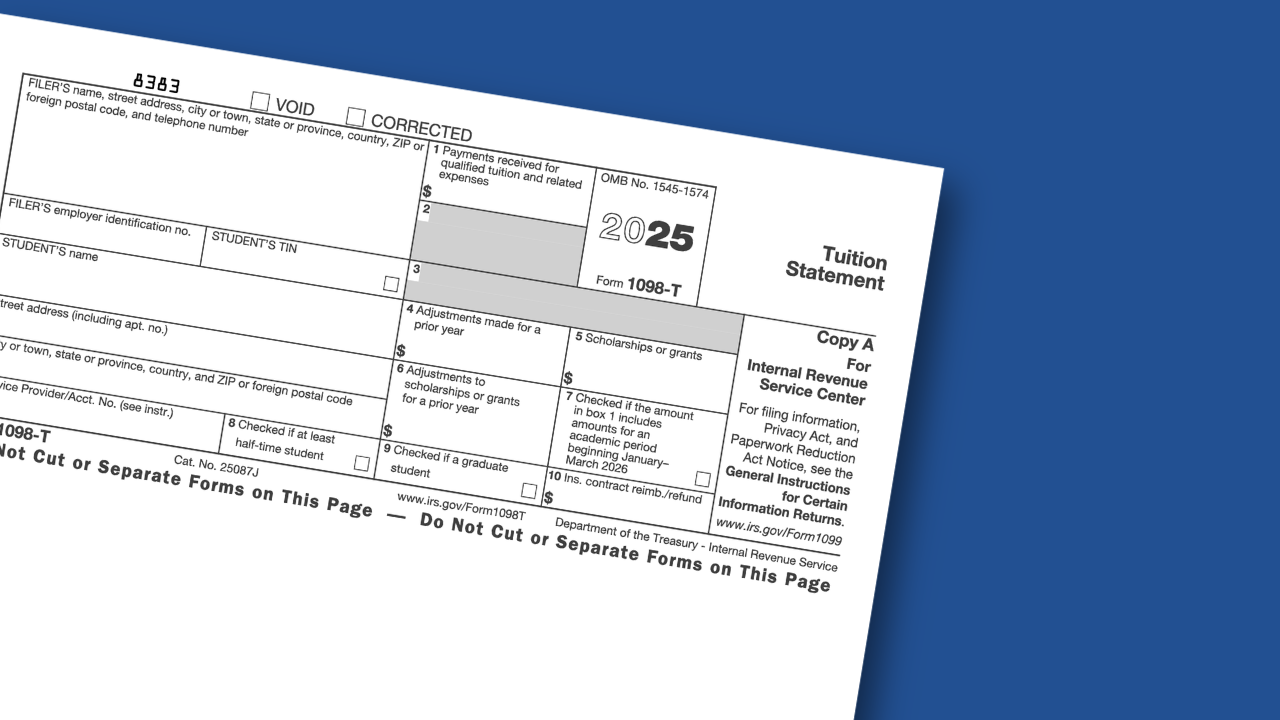
Form 1098-T and the IRIS Transition
Last Update: June 2026 The IRS is retiring the FIRE system on December 31, 2026. Beginning with Tax Year 2026, all 1098-T returns must be filed through IRIS. What that requires depends entirely on whether a vendor manages your 1098-T filing or you file directly. What changes under IRIS and who it affects If you…
-

6 Reasons to Choose a Professional Print & Mail Service
Choosing a professional print and mail service reduces operational costs, eliminates compliance risk, and removes the overhead of managing equipment, postage logistics, and mail production in-house. The decision matters most in regulated industries, where the vendor handling your outbound mail must hold the same compliance certifications that govern your organization. 1. Professional print and mail…
-

HIPAA-Compliant Document Scanning for Healthcare: A Vendor Guide
What Is HIPAA-Compliant Document Scanning? HIPAA-compliant document scanning is the outsourced digitization of protected health information (PHI) using workflows that satisfy the HIPAA Security Rule and Privacy Rule requirements for administrative safeguards, physical safeguards, technical safeguards, and breach notification. HIPAA requirements apply medical records or any individually identifiable health information maintained in paper form. Why…
-

How to Increase Productivity with Bulk Document Scanning Services
What Are Bulk Document Scanning Services? Bulk document scanning services are outsourced digitization programs that convert large volumes of paper documents into searchable digital files using high-speed production scanners, OCR technology, and professional indexing. Typical projects involve hundreds of boxes or tens of thousands of pages. Production scanners used by outsourced vendors process between 100…
-

The Benefits of Pressure Seal Forms: A Guide for High-Volume Mailers
If your organization sends thousands (or tens of thousands) of documents by mail every year, the way you produce those mailings has a direct impact on your costs, your staff’s time, and the security of the information you’re sending. Pressure seal forms have been the production mailing format of choice for payroll, healthcare billing, tax…
-

Postal Optimization: Complete Guide to Mail and Postage Savings
What Is Postal Optimization? Postal optimization is the practice of reducing postage costs and improving delivery reliability through a coordinated set of USPS programs, technical requirements, and operational decisions. Organizations that mail patient statements, account invoices, legal notices, financial disclosures, or benefit fund communications can reduce per-piece postage costs by 20–40% with postal optimization. The…
-
Confidential Document Scanning Services Explained: Security Controls, Compliance Requirements, and Vendor Standards
What Are Confidential Document Scanning Services? A confidential document scanning service is an outsourced digitization program that converts sensitive paper records into secure digital formats. Sensitive paper records are usually legal files, medical records, personnel files, and financial documents. Confidential document scanning has to include chain of custody controls, encrypted file transfer, access-restricted facilities, and…
-

When to Outsource Check Printing and Mailing
At some point, most finance and operations teams stop asking whether to use checks and start asking whether printing them in-house still makes sense. The answer depends less on check volume than on what the process actually costs and what it takes to run it correctly. The Cost of In-House Check Printing The visible costs…
-

What Is a Digital Mailroom? How Businesses Automate Mail Processing
Many organizations still receive large volumes of physical mail: invoices, applications, checks, patient forms, and legal correspondence. Processing it manually takes time, creates bottlenecks, and makes it hard to know where any given document is at any moment. A digital mailroom modernizes this process by converting incoming physical mail into searchable digital files and routing…


