 1099 Login

Browse our latest posts
-
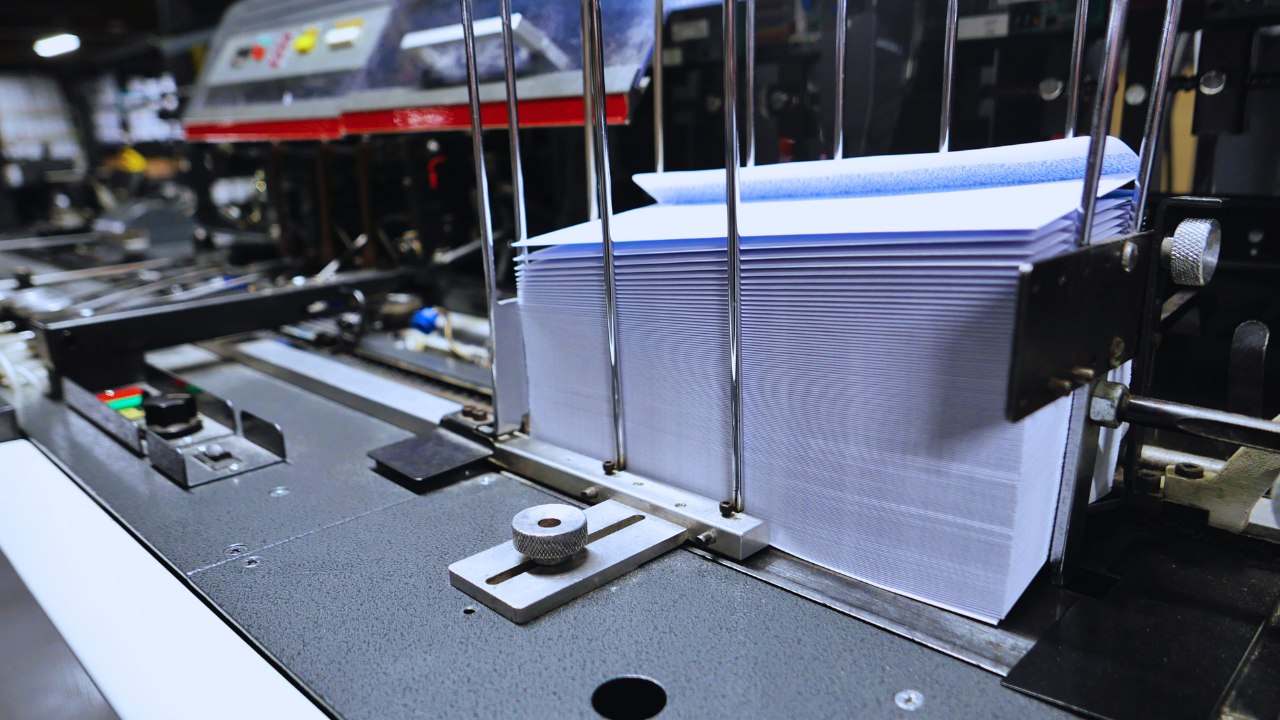
What Is Presort Mail? A Complete Guide to USPS Presort Discounts
If your organization regularly sends patient statements, student billing notices, legal correspondence, or financial disclosures, you’re probably paying more in postage than you need to. Presort mail is one of the most straightforward ways to fix that. By sorting mail by ZIP code and carrier route before it reaches USPS, you can reduce postage costs…
-

Freelance vs. Full-Time: What Worker Classification Means for Your 1099 Obligations
Whether a worker is an independent contractor or an employee determines what you withhold, what you file, and what you owe the IRS if the classification turns out to be wrong. For businesses that use a mix of full-time staff and contractors, getting the distinction right is one of the most consequential compliance decisions you…
-

USPS First Class Mail Service Changes: What Businesses Need to Know
Last updated: April 20, 2026 USPS is in the middle of one of its most active pricing and operational periods in years. Three separate pricing actions have taken effect or been filed in 2026 alone, on top of service standard changes that reshaped delivery times in 2025. This article covers everything business mailers need to…
-

Common Mistakes To Avoid When Filing Form 1098-T
Form 1098-T is the IRS information return educational institutions file to report qualified tuition and related expenses for each enrolled student. Getting it right matters for two reasons: students depend on it to claim the American Opportunity Credit or Lifetime Learning Credit, and the IRS uses it to match those credit claims against what institutions…
-

Are Scanned Copies of Documents Legal? Your 2026 Guide
Are scanned copies of documents legal? Yes. When properly created and maintained, scanned documents hold the same legal weight as physical originals in court proceedings and business transactions. Federal law explicitly recognizes digital duplicates as admissible evidence. Quick Takeaways The Legal Framework for Scanned Documents Federal Rules of Evidence Federal Rule of Evidence 1003 establishes…
-

1099 Reporting Thresholds 2026: When New Filing Requirements Take Effect
(Latest update: June 11 2026) The One Big Beautiful Bill Act’s threshold changes are now in effect. For any payments made on or after January 1, 2026, the reporting threshold for Forms 1099-NEC and 1099-MISC is $2,000. This guide covers how the new threshold works, what it does not change, and how the rules differ…
-
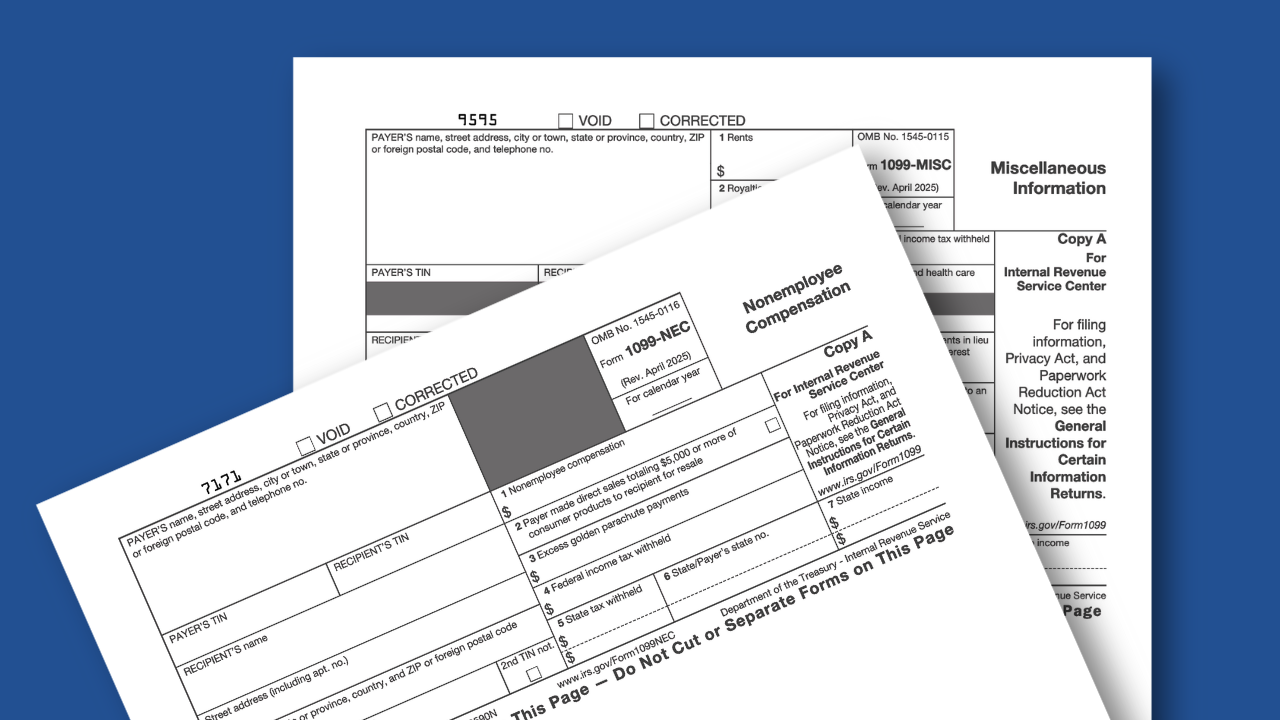
2026 Tax Form Deadlines: 1099 & W-2 Information Returns
As businesses prepare for the 2026 tax filing season, understanding when 1099s are due and other critical IRS filing deadlines is essential for compliance and avoiding costly penalties. This complete guide covers 1099 filing requirements, due dates, and everything you need to know about the 2026 deadline calendar. Critical 2026 Weekend Adjustments Important: January 31…
-

SOC 2 Type II vs Type I: Which Should You Require from Vendors?
You’re evaluating vendors who will handle your sensitive data: customer records, financial information, tax documents, or employee files. Some vendors have SOC 2 Type I reports. Others have SOC 2 Type II. A few just say “SOC 2 compliant” without specifying which. The difference matters significantly. A Type I report tells you a vendor’s security…
-
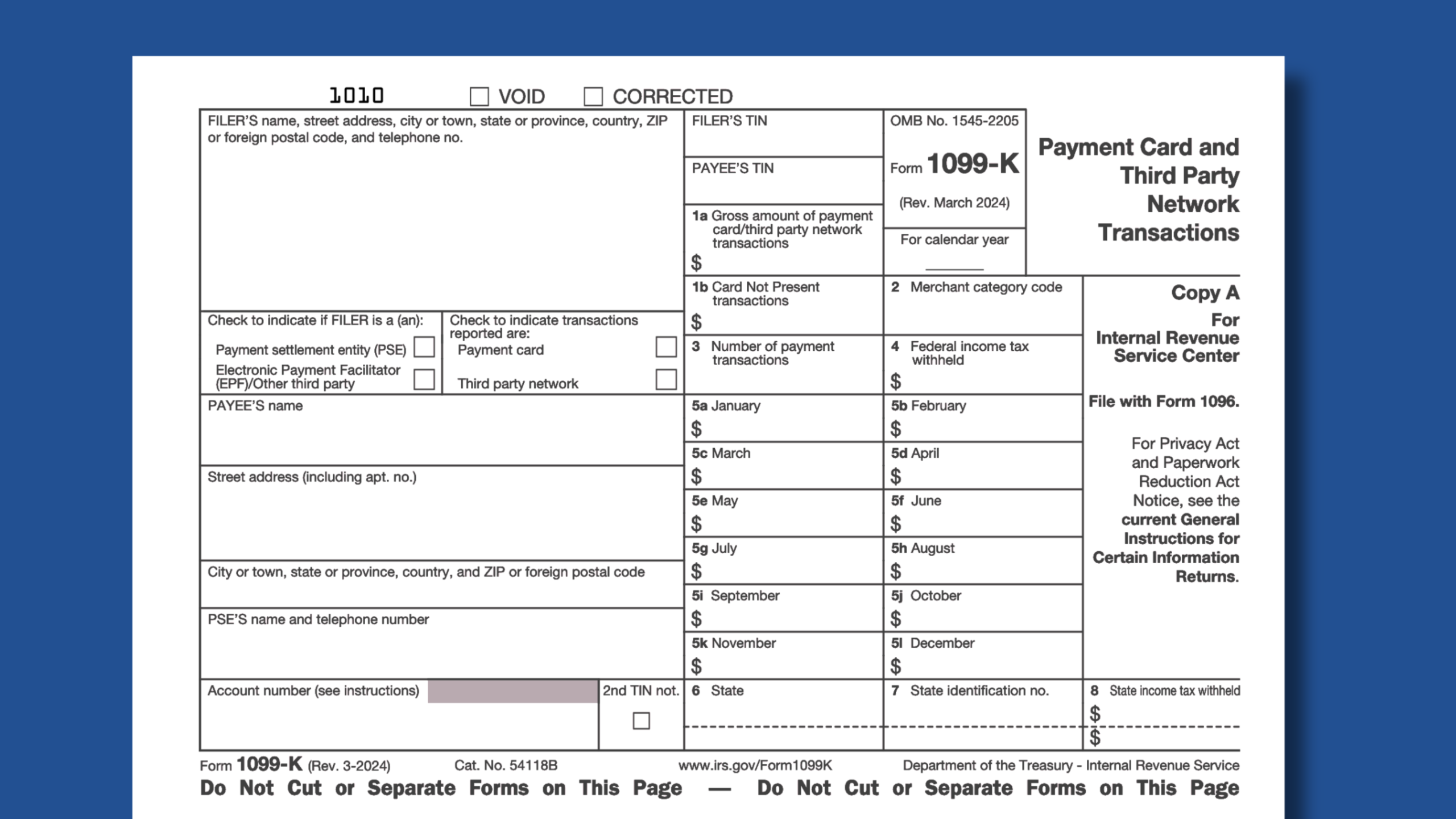
What Is a 1099-K Form?
Form 1099-K has been one of the most confusing information returns in recent years. The IRS proposed lowering its filing threshold multiple times, reversed course each time, and the One Big Beautiful Bill Act ultimately restored the original thresholds permanently in 2025. For businesses that receive 1099-K forms or are required to issue them, understanding…


