 1099 Login
-

2027 Tax Form Deadlines: 1099 & W-2 Information Returns
As businesses prepare for the 2027 tax filing season, understanding when 1099s are due and other critical IRS filing deadlines is essential for compliance and avoiding costly penalties. This season carries two additional considerations beyond the usual calendar: it’s the first filing season conducted entirely through IRIS, since the FIRE system no longer accepts submissions…
-

2026 Form 1099-NEC and 1099-MISC: New Boxes for Tips and Overtime
Forms 1099-NEC and 1099-MISC include new boxes for tax year 2026. The changes are driven by the No Tax on Tips and No Tax on Overtime provisions of the One Big Beautiful Bill Act (OBBBA), which allow eligible recipients to deduct qualified tips and overtime compensation. To support those deductions, payers are required to separately…
-

IRS 1099 Form Changes for 2026: What’s Different and What You Need to Do
The 2026 tax year includes significant changes to 1099 reporting, affecting which vendors require forms, what data those forms must capture, and how returns are submitted to the IRS electronically. This guide covers what changed, which organizations are affected, and what steps to take before January 2027 filing season. Looking for 2025 form changes? Those…
-
IRS FIRE System Retirement 2026: Understanding the Transition to IRIS
Update — August 26, 2026: The IRS issued a reminder on August 24 (IR-2026-99) confirming the FIRE transition timeline. November 19, 2026 at 3 p.m. ET is the last day to submit information returns through FIRE; November 1 is the last day for test files through the FIRE Trading Partner Test System, and November 9…
-
Form 1099-R Distribution Codes, Boxes, and E-Filing: Complete Guide for 2026
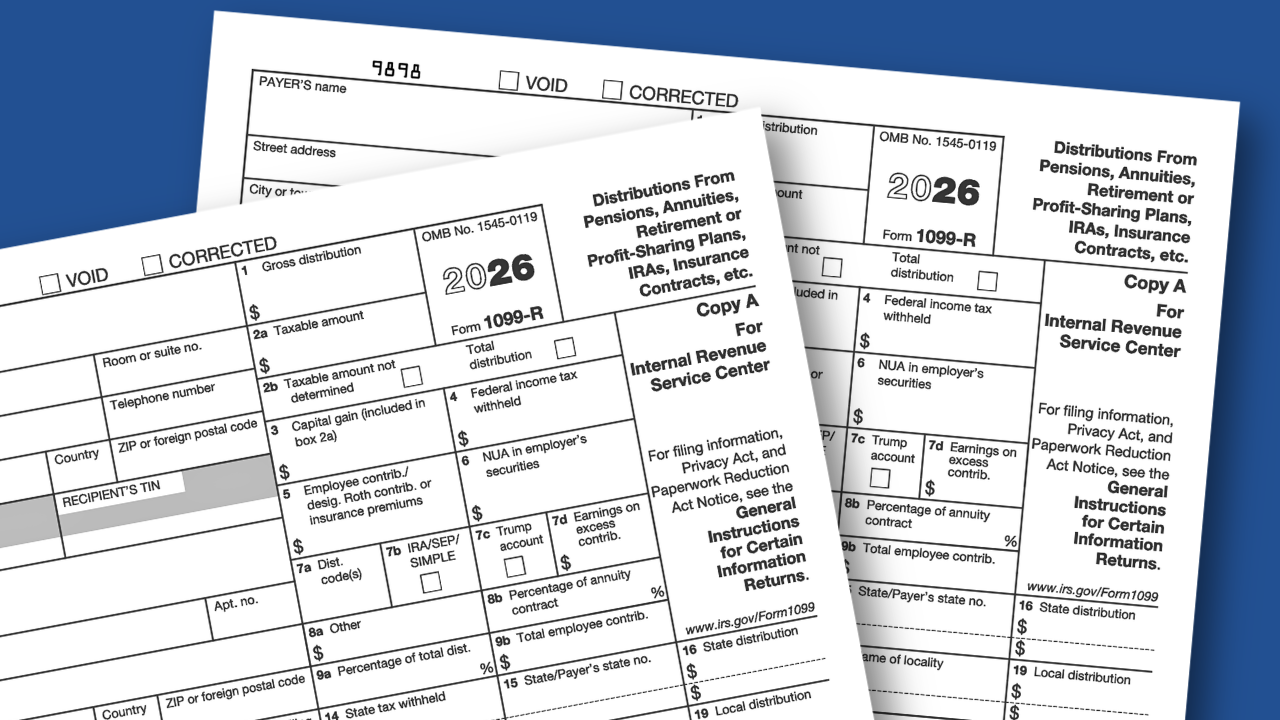
Changes to Form 1099-R in 2026: Distribution Code Y, New Reporting Boxes, and IRIS The 2026 Form 1099-R introduces the most significant structural changes to the form in years: Code Y for Qualified Charitable Distributions remains optional for a second consecutive year, the distribution code field has been renumbered to box 7a alongside three new…
-
What Is Form 1099-B? Broker and Barter Exchange Reporting Explained
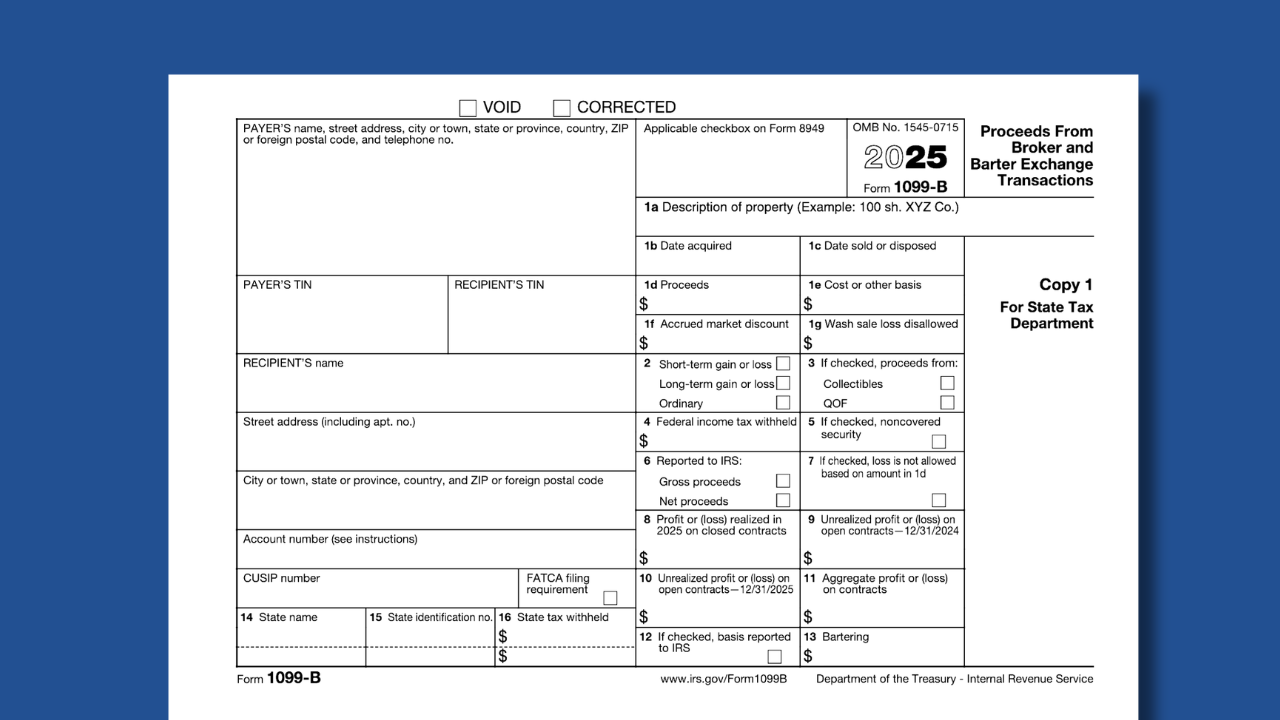
Form 1099-B, Proceeds From Broker and Barter Exchange Transactions, is the IRS information return that brokers and barter exchanges use to report the proceeds from a customer’s securities sales and other reportable transactions, including regulated futures and Section 1256 option contracts handled through a broker. Investors who sold stocks, bonds, mutual funds, options, or other…
-
Key Facts About IRS Form 1099
“Form 1099” is a family of information returns, each covering a different type of payment, with different thresholds, different deadlines, and different rules. Here’s the current picture, current as of the 2026 tax year. Form 1099 Variants Each variant reports a different payment type. For example: Filing the wrong variant for a payment type is…
-
Form 1099-K Reporting Requirements for 2026
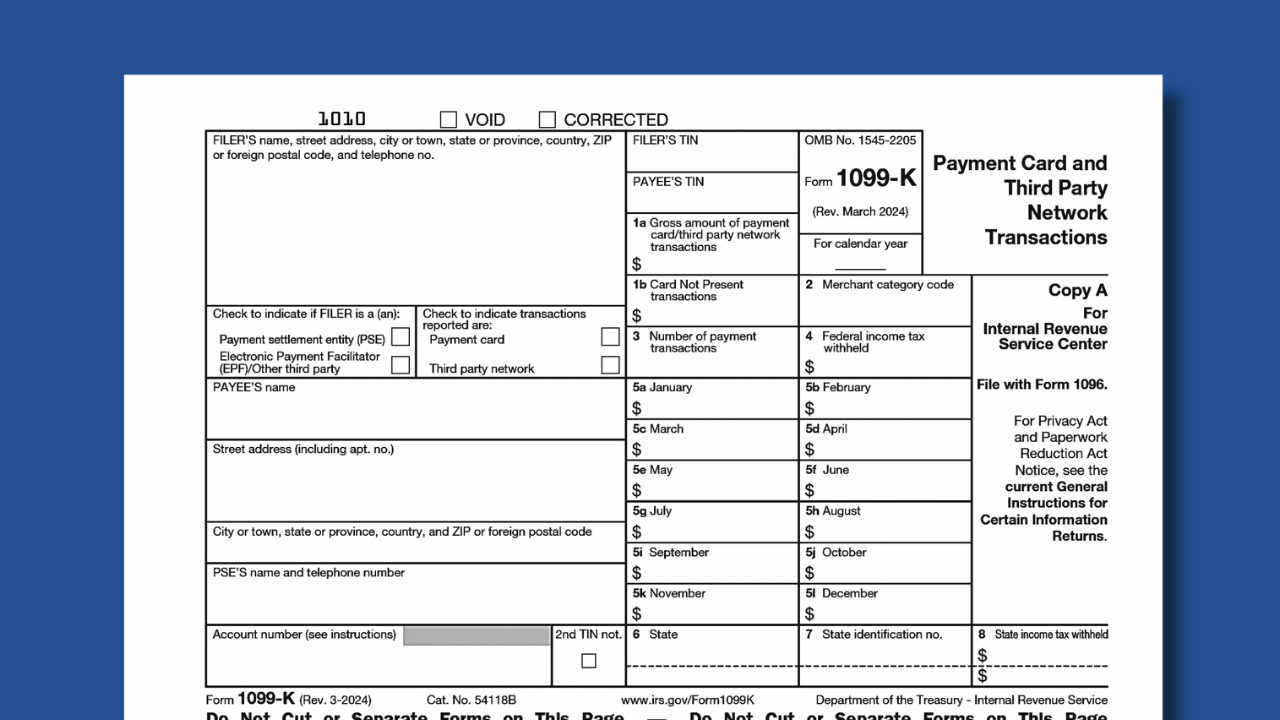
If you’ve read that PayPal, Venmo, and similar platforms would begin issuing 1099-Ks for payments over $600 in 2026, that’s no longer accurate. The One Big Beautiful Bill Act (OBBBA), signed July 4, 2025, reinstated the original thresholds: $20,000 and 200 transactions. (IRS — IR-2025-107) This article covers the rules as they stand today. What…
-

Second B-Notice Requirements: What to Send, Who Gets It, and What Happens Next
A second B-notice is not a repeat of the first. It triggers a different process, different requirements for your payee, and different rules around backup withholding. Getting the details wrong — especially sending a W-9 when you shouldn’t — doesn’t resolve the mismatch and can leave you exposed to IRS penalties. This page covers who…
-

Received a CP2100 Notice? Here’s What It Means and What to Do
Getting a CP2100 doesn’t mean you’re being audited or penalized. It means the IRS found a mismatch between payee names and TINs on your 1099 filings and is giving you a structured opportunity to fix it. The notice triggers a specific, time-sensitive process, but it’s entirely manageable if you act within the deadlines. This guide…
-
Who Needs a 1099-NEC Form?
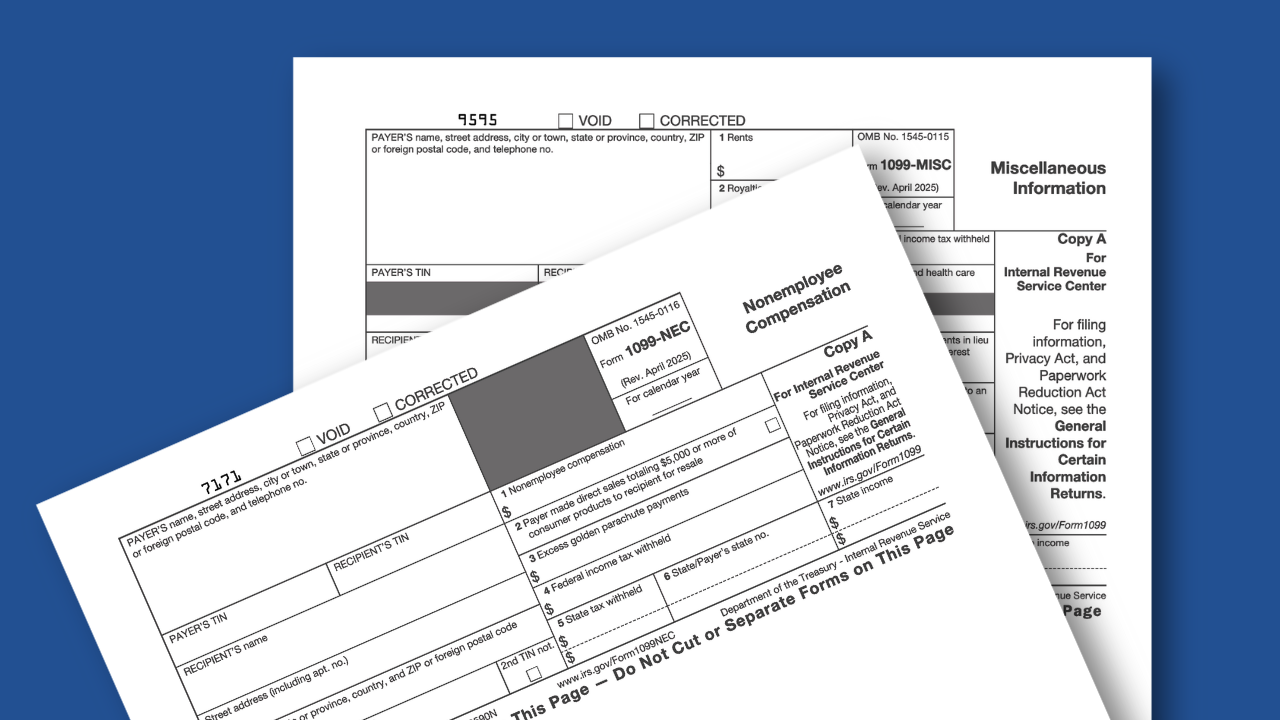
Form 1099-NEC reports non-employee compensation: payments made to independent contractors and other non-employees for services performed in the course of your trade or business. The IRS requires businesses to issue one whenever certain conditions are met, but there are meaningful exemptions that reduce the number of forms many businesses need to file. Knowing who actually…
-
Is There a Penalty for Filing a Corrected Form 1099?
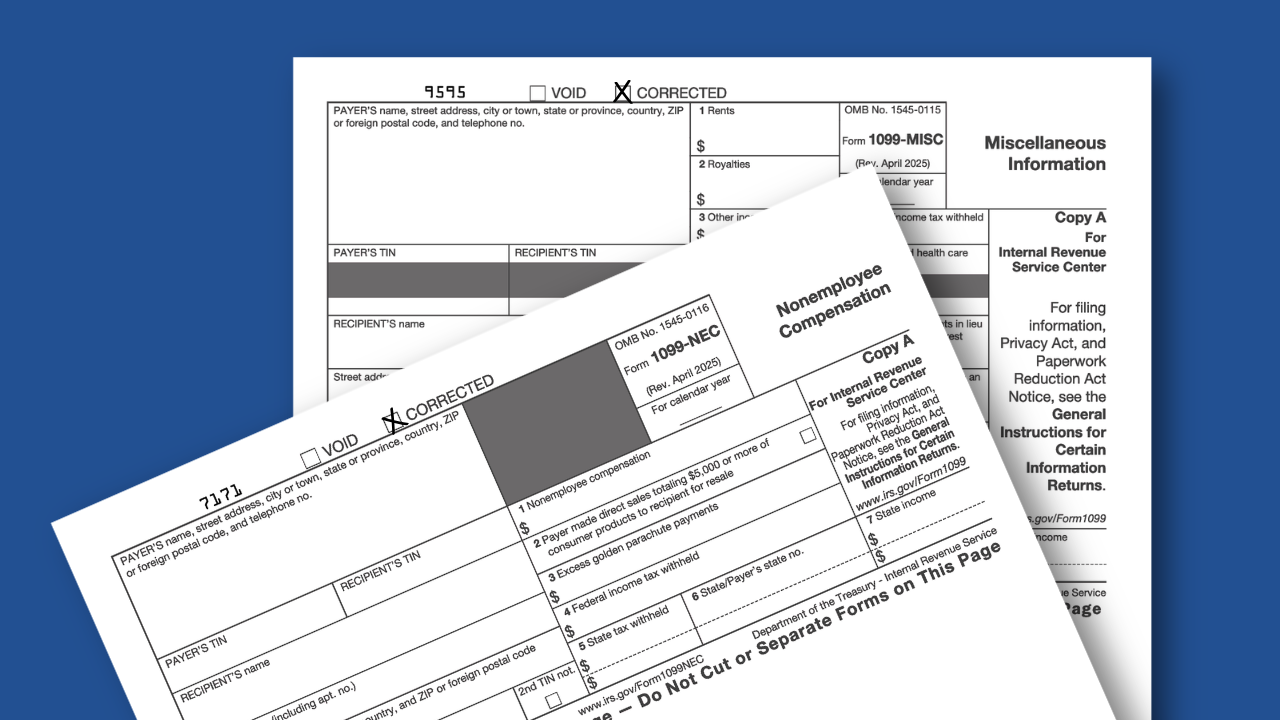
Short answer: Filing a corrected 1099 does not trigger a separate “correction penalty.” But if the original error was filed late, or if the correction itself arrives late, the same per-form penalty structure that applies to all information returns will apply. The key is when you correct: the sooner, the better. Why Corrected 1099s Come…


