 1099 Login

Browse our latest posts
-

Backfile Conversion and Document Archiving: How to Digitize Years of Paper Records
Document archiving is the full lifecycle of managing inactive records: identifying what needs to be kept, digitizing paper documents, indexing them for retrieval, storing them securely, and disposing of them according to retention schedules. Backfile conversion is the critical first step in that lifecycle for any organization still holding years of paper. It converts the…
-

Paper Survey vs. Online Survey: How to Choose the Right Format for Your Research
Choosing between a paper survey and an online survey is one of the most consequential decisions in research design, yet it’s often made on instinct rather than methodology. The format you choose affects who responds, how honestly they respond, and whether your results accurately represent the population you intend to study. This guide walks through…
-

Going Paperless in Financial Services: What It Takes and Where to Start
This post covers what drives the paperless transition in financial services, where the compliance requirements sit, and what a practical approach looks like for organizations that haven’t yet fully made the shift. Why Financial Services Organizations Are Moving Away from Paper The business case for reducing paper in financial services is well established. Physical records…
-

Digital Mailroom Benefits: Security, Compliance, and Cost Reduction
Organizations that switch to a digital mailroom consistently report improvement in three areas: lower operational costs, faster document routing, and stronger compliance controls. This guide covers all eight benefits in detail, along with which organizations gain the most from the change. Digital Mailroom Benefits at a Glance The table below summarizes all eight benefits, what…
-

Received a CP2100 Notice? Here’s What It Means and What to Do
Getting a CP2100 doesn’t mean you’re being audited or penalized. It means the IRS found a mismatch between payee names and TINs on your 1099 filings and is giving you a structured opportunity to fix it. The notice triggers a specific, time-sensitive process, but it’s entirely manageable if you act within the deadlines. This guide…
-
Who Needs a 1099-NEC Form?
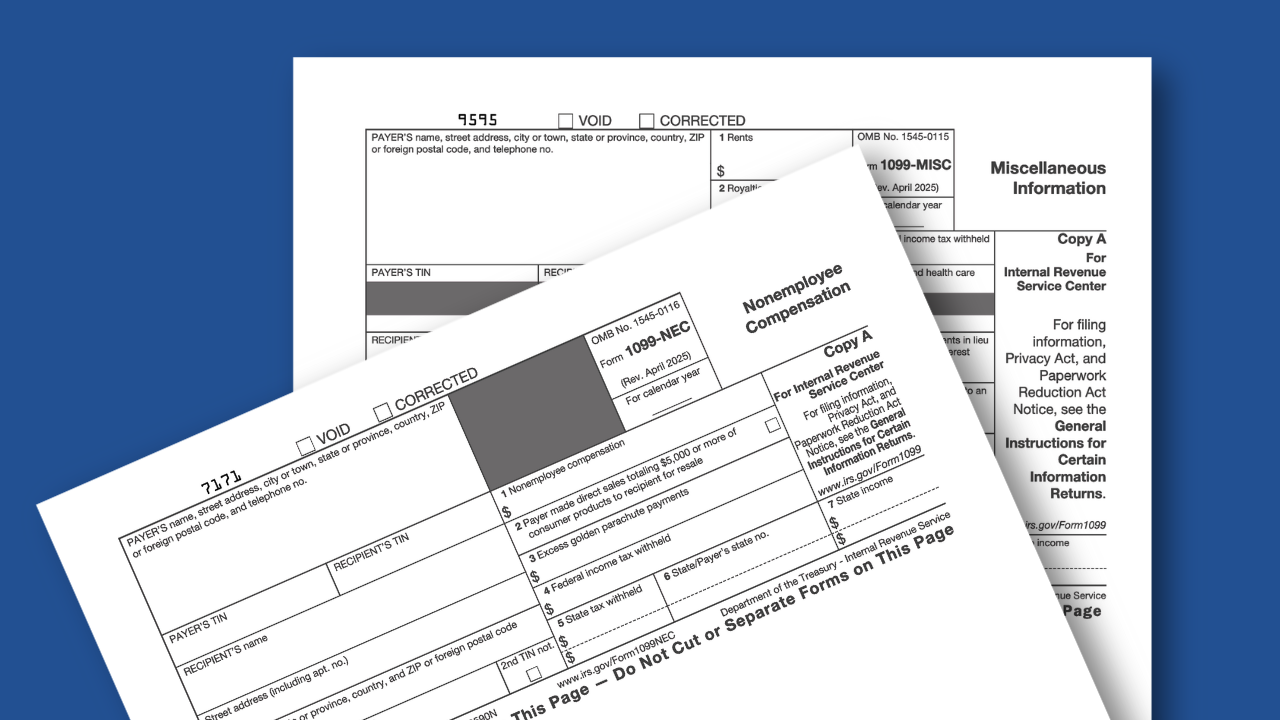
Form 1099-NEC reports non-employee compensation: payments made to independent contractors and other non-employees for services performed in the course of your trade or business. The IRS requires businesses to issue one whenever certain conditions are met, but there are meaningful exemptions that reduce the number of forms many businesses need to file. Knowing who actually…
-

Blueprint Scanning: How to Digitize Blueprints and Convert Architectural Drawings to Digital
What Is Blueprint Scanning? Blueprint scanning is the process of using wide-format scanners to capture high-resolution digital images of large-format technical drawings such as architectural blueprints, engineering drawings, construction documents, and as-built plans. The end result is a digital file (typically PDF, TIFF, or JPEG) that preserves fine linework, annotations, and title blocks at resolutions…
-
Form 1098-T and the IRIS Transition
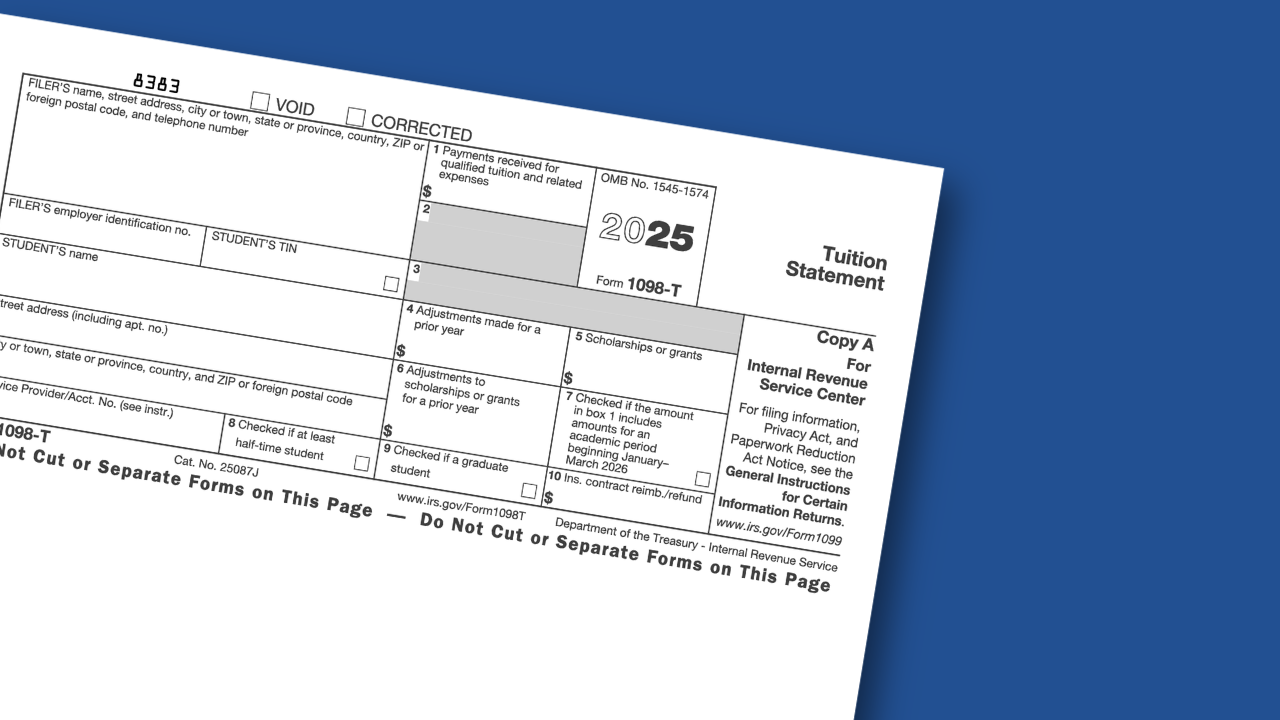
Last Update: June 2026 The IRS is retiring the FIRE system on December 31, 2026. Beginning with Tax Year 2026, all 1098-T returns must be filed through IRIS. What that requires depends entirely on whether a vendor manages your 1098-T filing or you file directly. What changes under IRIS and who it affects If you…
-

6 Reasons to Choose a Professional Print & Mail Service
Choosing a professional print and mail service reduces operational costs, eliminates compliance risk, and removes the overhead of managing equipment, postage logistics, and mail production in-house. The decision matters most in regulated industries, where the vendor handling your outbound mail must hold the same compliance certifications that govern your organization. 1. Professional print and mail…


